Part 12 of 20The Future of Trading
@AbePublished 4 min read
On this page
A faster certificate for a slow moving asset
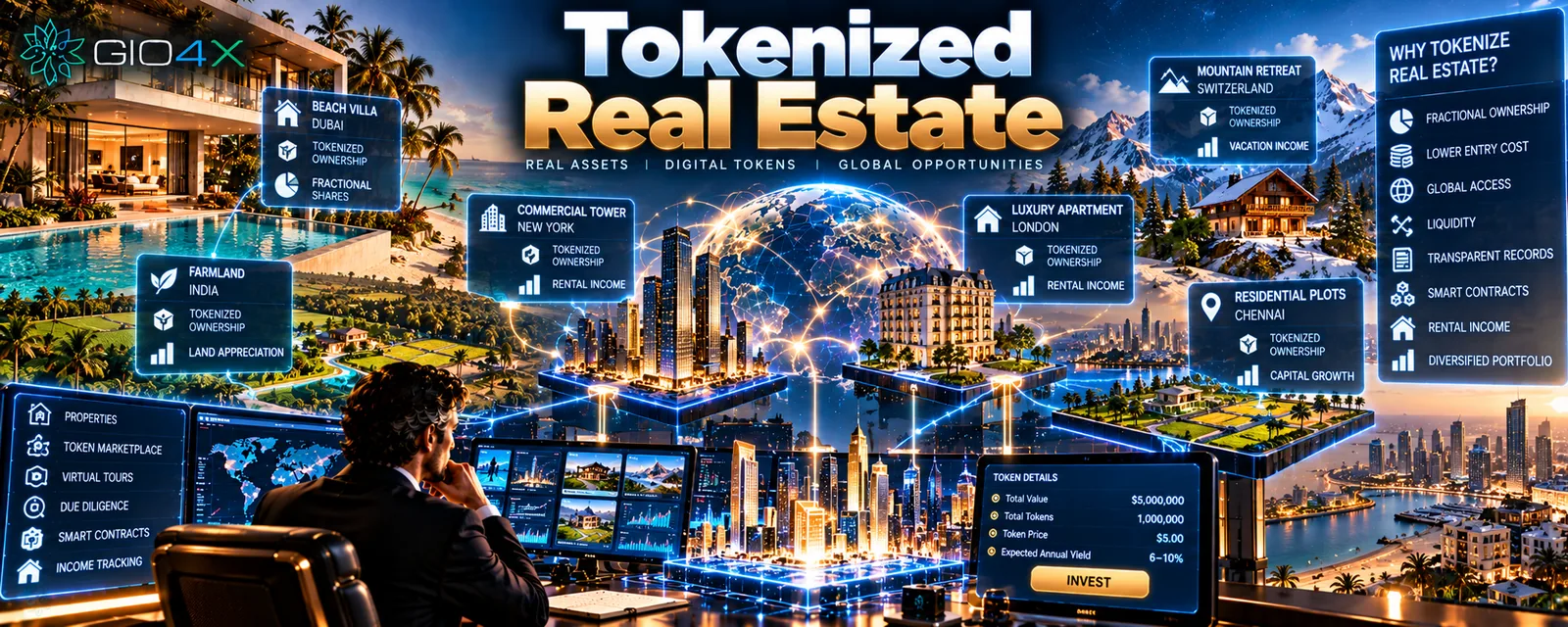
A property token can move in minutes. Finding a buyer for it may still take far longer. Tokenized real estate makes ownership easier to divide and transfer; it does little by itself to make the underlying building liquid.
Key takeaway. Tradability is not liquidity. Examine the legal claim, property manager, fees and actual trading activity before relying on an easy exit.
What is being tokenized
A building cannot live on a blockchain. What gets tokenised is a legal claim connected to it. Three structures are common.
- Equity in a holding company. A company or trust owns one property. Tokens represent its shares or units. This is the usual model.
- Debt. Tokens represent a loan secured on property, paying interest.
- Fund units. Tokens represent units in a fund holding many properties.
In each case the land registry still shows the company, not the token holders. The token is one legal step removed from the title.
The promise
Small tickets. Direct property investment needs a large sum. A token can represent a few thousand rupees or fifty dollars of a building.
Faster transfer. Selling a flat takes weeks of lawyers, registration and stamp duty. A token moves between approved wallets in minutes.
Automatic distribution. Rent can be paid out to holders by code, daily if desired, with a transparent record.
Wider reach. An investor in one country can hold a share of a building in another, where both sets of rules allow it.
Collateral. A token can be pledged for a loan more easily than a fraction of a title deed.
What has actually happened
The record so far is mixed and instructive.
In 2018, part of the St. Regis resort in Aspen, Colorado, was sold as digital tokens, raising about $18 million. It showed that the legal structure could work for a trophy asset.
Platforms in the United States then tokenised hundreds of individual rental houses for small investors. Some delivered steady rent. Others ran into poorly maintained properties, disputes with city authorities and tokens that holders could not sell.
In 2025 Dubai's land department began a pilot linking tokens directly to its title registry, and early offerings sold out quickly. That is the more significant development: a government registry recognising the token, which removes the gap between token and title.
The liquidity illusion
This is the central misunderstanding. Making an asset tradable is different from making it traded.
Related posts
 AnalysisEducationHow Goldman Sachs Thinks About RiskThe first question in institutional trading is how much can be lost, how quickly, and who will act. Goldman Sachs offers a useful lens on that discipline: risk is measured, challenged and escalated throughout the life of a position.@Abe5 min read
 Analysis