Part 16 of 20The Future of Trading
@AbePublished 4 min read


Fetching the page
Education · Analysis
The smartphone’s successor may be software that follows you from one device to another. Glasses, earbuds and watches become ways to reach an AI agent that knows your account and rules. The phone can stay in your pocket while you look at it less.
Part 16 of 20The Future of Trading
@AbePublished 4 min read
The assistant follows the trader across devices
The smartphone’s successor may be software that follows you from one device to another. Glasses, earbuds and watches become ways to reach an AI agent that knows your account and rules. The phone can stay in your pocket while you look at it less.
Key takeaway. The durable asset is your written trading process. Devices will change; clear limits, secure approvals and control over interruptions should carry across them.
Before 2007, trading meant a desk. The smartphone put a brokerage account in every pocket and brought tens of millions of new participants into markets.
It lowered minimums, removed commissions and made buying a share as easy as ordering food. It also made trading a matter of taps, swipes and push notifications, with the habits that come with them.
Nearly two decades on, the phone is the main trading device for most retail investors worldwide. It is also showing its limits.
A small screen. Serious analysis needs more space than six inches allows. Phone traders see less context and tend to act on less.
Attention. A trading app sits beside messaging, video and games. Each alert competes with twenty others, and each visit invites an impulse.
Hands and eyes. Using a phone means stopping what you are doing and looking down.
The next interfaces try to fix these problems in different ways.
Lightweight glasses with a camera, speakers and, increasingly, a small display in the lens are the leading candidate for the next mass device. Several large technology firms are selling or developing them.
For a trader, glasses offer glanceable information: a price, an alert, a position summary in the corner of vision, with a voice or a gesture to act. Heavier headsets go further and can place many virtual screens around you.
The open questions are battery life, comfort, cost and whether people want to wear them all day.
Earbuds are already worn for hours. Paired with a capable assistant, they become a private channel: a spoken morning briefing, an alert in your ear, a question answered while you walk.
Voice suits monitoring and simple instructions. It suits detailed analysis poorly, since a chart cannot be read aloud.
Smartwatches have settled into a narrow, useful role. They deliver the alert that matters, show a price at a glance and can confirm an action with a tap.
They also offer something phones lack: continuous confirmation that the wearer is the owner, through skin contact and heartbeat. That makes the watch a natural security key for approving trades started elsewhere.
A wave of dedicated AI gadgets, pins and pendants, promised to replace the phone. The first attempts failed commercially. The idea behind them survives: a device whose main interface is conversation.
More are coming from well-funded companies. Whether any succeeds as hardware matters less than the pattern they share, which is that the assistant, not the app, is the product.
Brain-computer interfaces have let paralysed patients move cursors and type by thought in clinical trials. That is remarkable medicine.
As a consumer trading interface, it is decades away, if it ever arrives. It deserves a mention mainly so that it can be set aside.
Look across the candidates and one thing is constant. Each depends on software that understands a request, knows your account and acts within your rules.
That agent is the real successor to the smartphone app. You tell it your intent once. It watches the market, and reaches you through whichever device suits the moment: a tap on the wrist for an alert, a sentence in your ear for a summary, a full screen when you sit down to think.
The unit of interaction changes from opening an app to receiving a briefing.
There are two possible outcomes.
In the good one, friction of the right kind returns. The agent handles routine monitoring, filters noise and only interrupts when your own rules say it should. You trade less often and with more thought.
In the bad one, the market is in your field of view and in your ear all day. Trading becomes ambient and compulsive, with even less of a pause between impulse and order than a phone allows.
The technology permits either. Product design and regulation will decide which is more common.
Through the late 2020s, expect the phone to remain central, with watches and earbuds handling more alerts and approvals. Around 2030, expect glasses to become a common second screen for enthusiasts. By the mid-2030s, expect most routine interaction with a trading account to run through an agent, on whatever hardware is nearest.
Prepare by making your trading rules explicit: what you trade, how much you risk and when you stop. Devices will change every few years. A clear process can carry across all of them—and help determine whether constant access brings useful information or constant temptation.
Part 16 of 20 in the series The Future of Trading. Next: Voice-Controlled Trading.
General information, not investment advice. Unlinked figures are approximate.
 AnalysisEducationVoice-Controlled TradingAsking a system for a price is one thing. Telling it to move money is another. Voice is becoming an effective way to query a trading account, but order placement still depends on precise read-back, secure confirmation and deliberate limits.@Abe4 min read
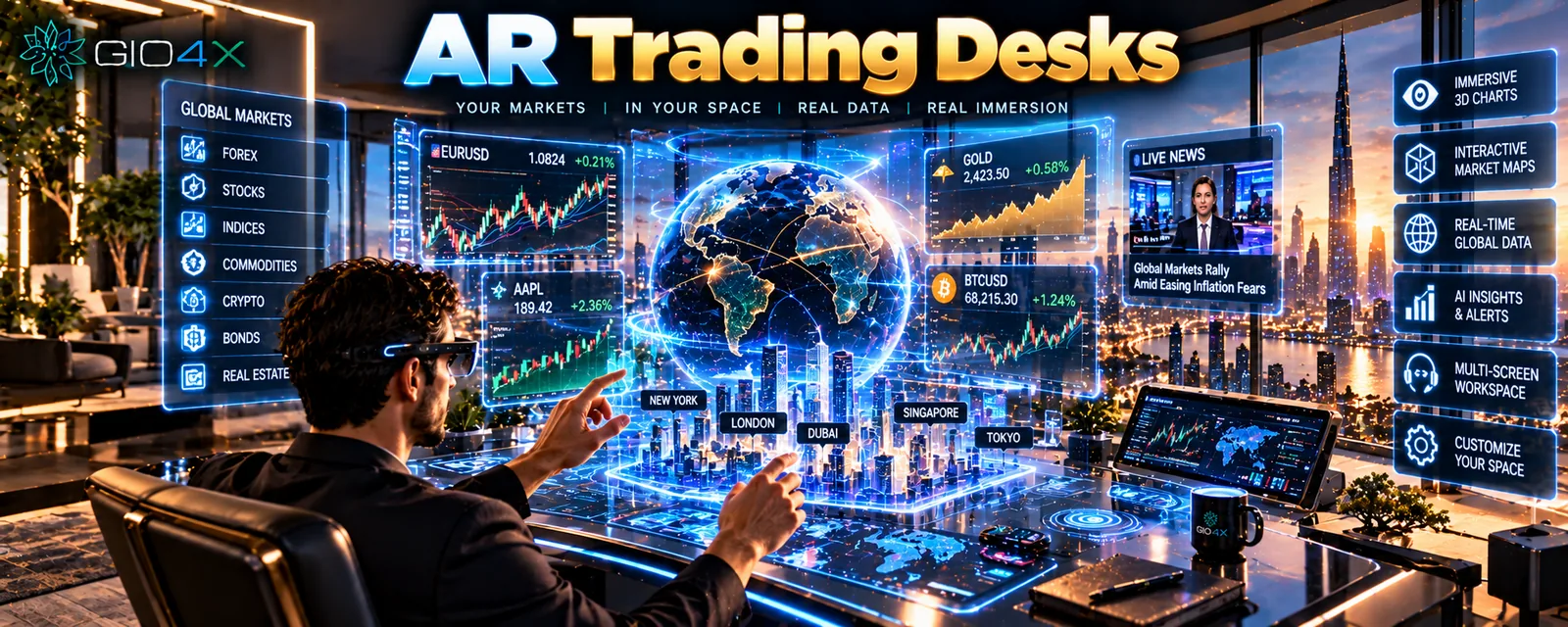 AnalysisEducationAR Trading DesksA wall of trading monitors can now fit inside a headset. The software can place virtual screens around a desk, but weight, comfort and cost still limit all-day use. For now, the clearest benefit is portable screen space.@Abe4 min read
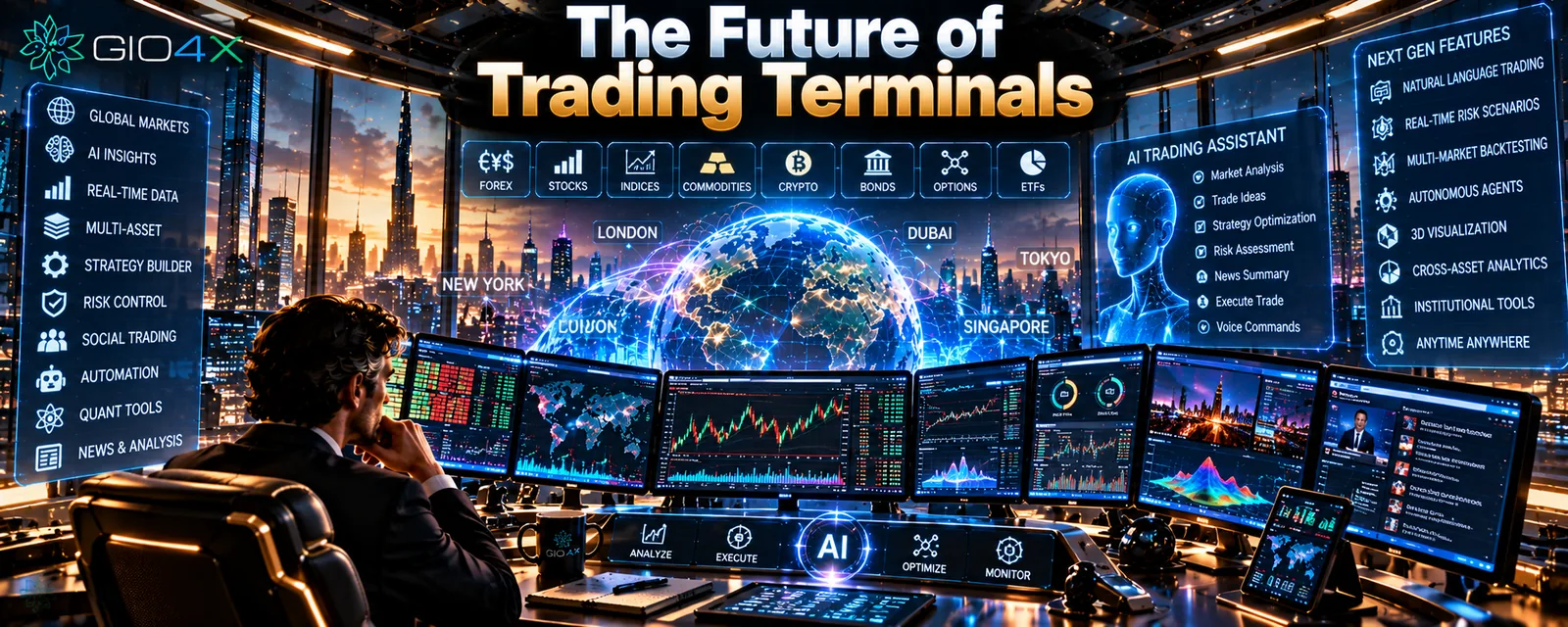 AnalysisEducationThe Future of Trading TerminalsThe next trading terminal will begin with a request, not a menu. Charts, order tickets and news feeds will remain, but software will assemble them around what the trader wants to do. The terminal is becoming an assistant you brief.@Abe4 min read