Part 19 of 20The Future of Trading
@AbePublished 5 min read

Fetching the page
Education · Analysis
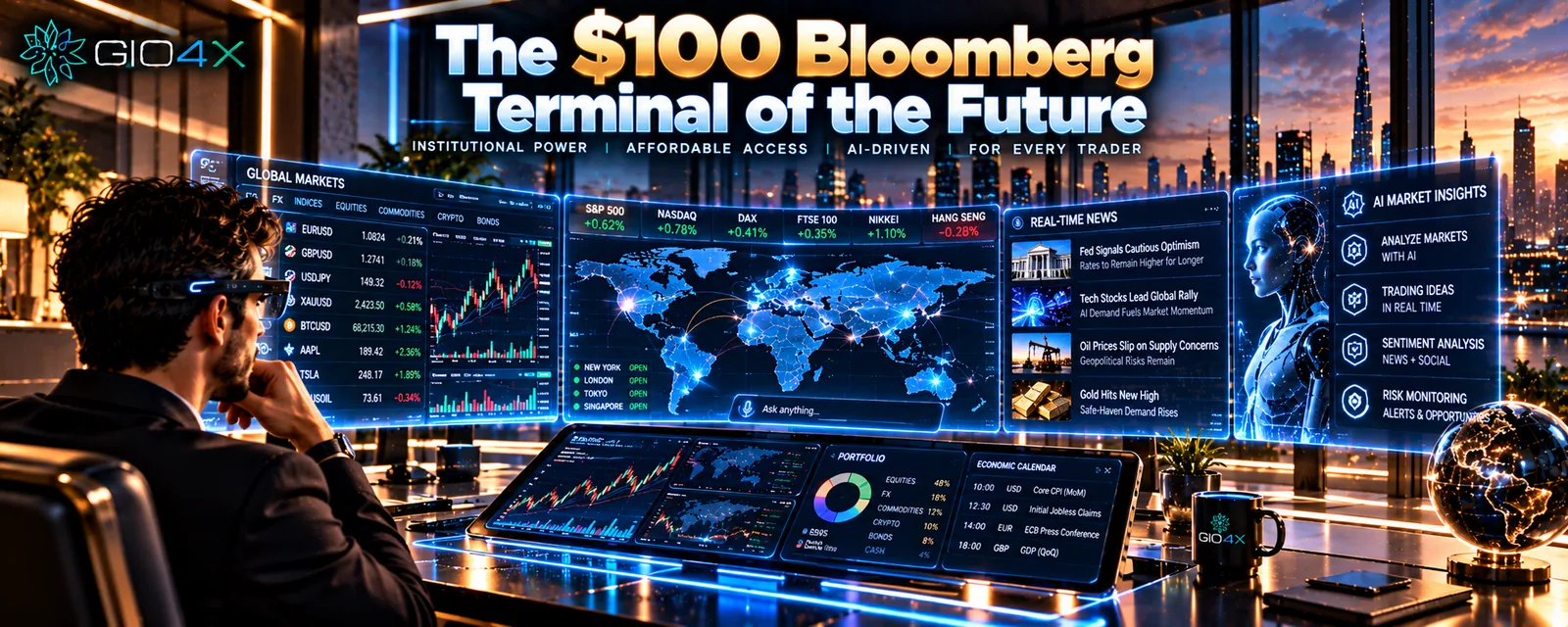
A useful market terminal for about $100 a month is close to achievable for retail and smaller professional users. Reproducing Bloomberg’s institutional data, network and support is a different proposition. The opportunity lies in combining affordable tools into a coherent research workflow.
Part 19 of 20The Future of Trading
@AbePublished 5 min read
Affordable research and the limits of a terminal
A useful market terminal for about $100 a month is close to achievable for retail and smaller professional users. Reproducing Bloomberg’s institutional data, network and support is a different proposition. The opportunity lies in combining affordable tools into a coherent research workflow.
Key takeaway. Low-cost terminals can bring strong research tools within reach. Judge them by data provenance, coverage, reliability and portability—not conversational fluency.
A Bloomberg Terminal subscription costs roughly $30,000 a year per user, with modest discounts for multiple seats. Around 350,000 people have one. The price has risen steadily for forty years and customers keep paying.
They are buying five things in one package.
Many users touch a small fraction of this. They pay for the whole bundle, and for the certainty that whatever they need next week will be there.
Several parts of the terminal’s value proposition have become cheaper to assemble.
Analytics. Charting platforms offer professional tools for the price of a streaming subscription. Open-source projects provide terminal-style research environments for free. Python libraries replicate most standard calculations.
Fundamentals and filings. Company accounts, regulatory filings and economic series are published free by regulators and central banks. Clean, structured versions cost little.
News and transcripts. Earnings calls, press releases and central bank speeches are public. What was scarce was the time to read them.
Execution. Retail brokers provide fast, low-cost order routing with an API.
The hard part of a terminal was never any one function. It was integration: knowing where each piece of data lives and how to combine them.
Language models do that work. Asked to compare the margins of five steel companies over ten years and chart them against iron ore, a model can find the filings, extract the figures, write the code and draw the chart.
A command like that once needed either a terminal with the right built-in function or an analyst's afternoon. Now it needs a prompt and a data connection.
Here is what a trader can assemble for about $100 a month in 2026, in round numbers.
| Component | What it provides | Rough monthly cost |
|---|---|---|
| Charting platform, paid tier | Charts, screeners, alerts | $15 to $30 |
| AI assistant subscription | Research, summarising, coding | $20 |
| Market data via broker | Real-time quotes for chosen markets | $0 to $30 |
| Fundamentals and macro data service | Financials, estimates, economic series | $0 to $30 |
| News and filings | Public sources, read by the assistant | $0 |
A single product that bundles these behind one conversational interface is the obvious next step, and several companies are building it.
Institutional data. Bond prices are the clearest case. Most bonds trade privately between dealers, and reliable pricing for them is proprietary. The same holds for loans, swaps and many derivatives.
Exchange licences at scale. Real-time data from every exchange carries per-user fees set by the exchanges. A terminal covering all of them cannot be sold for $100.
The network. A chat system is valuable because everyone else is on it. A cheap terminal with no counterparties on the other end is a research tool only.
Accountability. When a bank prices a billion-dollar trade off a number, it needs a vendor that stands behind the number. An AI that is right 98 percent of the time is not acceptable for that purpose.
Support. Bloomberg users can summon a human expert at any hour. That is part of the fee.
A language model can state a wrong revenue figure with complete fluency. For a cheap terminal, this is the main risk to manage.
The design answer is strict sourcing. Every number shown should link to the filing or feed it came from. The model should calculate with code and stored data, not from memory. A user should be able to click any figure and see its origin.
Products that do this will earn trust. Products that only chat will not.
Retail traders, independent advisers, small funds, students and finance teams outside banks are the natural users. They never needed real-time swap curves. They needed good charts, clean fundamentals, fast answers and a fair price.
For them, the gap between what $100 buys and what $30,000 buys has narrowed more in three years than in the previous thirty.
Bloomberg and its rivals are adding AI assistants to their own products. Their advantage is the data underneath, which a model needs and cannot invent.
A reasonable expectation is a split market. The premium terminal keeps the institutions that need its data, network and guarantees. A new low-cost tier, from start-ups and from brokers bundling it free with an account, serves everyone else.
☐ Does every figure cite its source?
☐ Is the data real-time, delayed or end-of-day, and for which markets?
☐ Can I export my data and work?
☐ Does it connect to my broker?
☐ What happens during a market panic, when everyone logs in at once?
A $100 terminal will not make anyone a better trader by itself. It can remove a genuine barrier: access to useful charts, clean fundamentals and efficient research. The next test is whether its information is traceable and reliable enough to act on.
Part 19 of 20 in the series The Future of Trading. Next: Will Everyone Eventually Have an AI Portfolio Manager?.
General information, not investment advice. Unlinked figures are approximate.
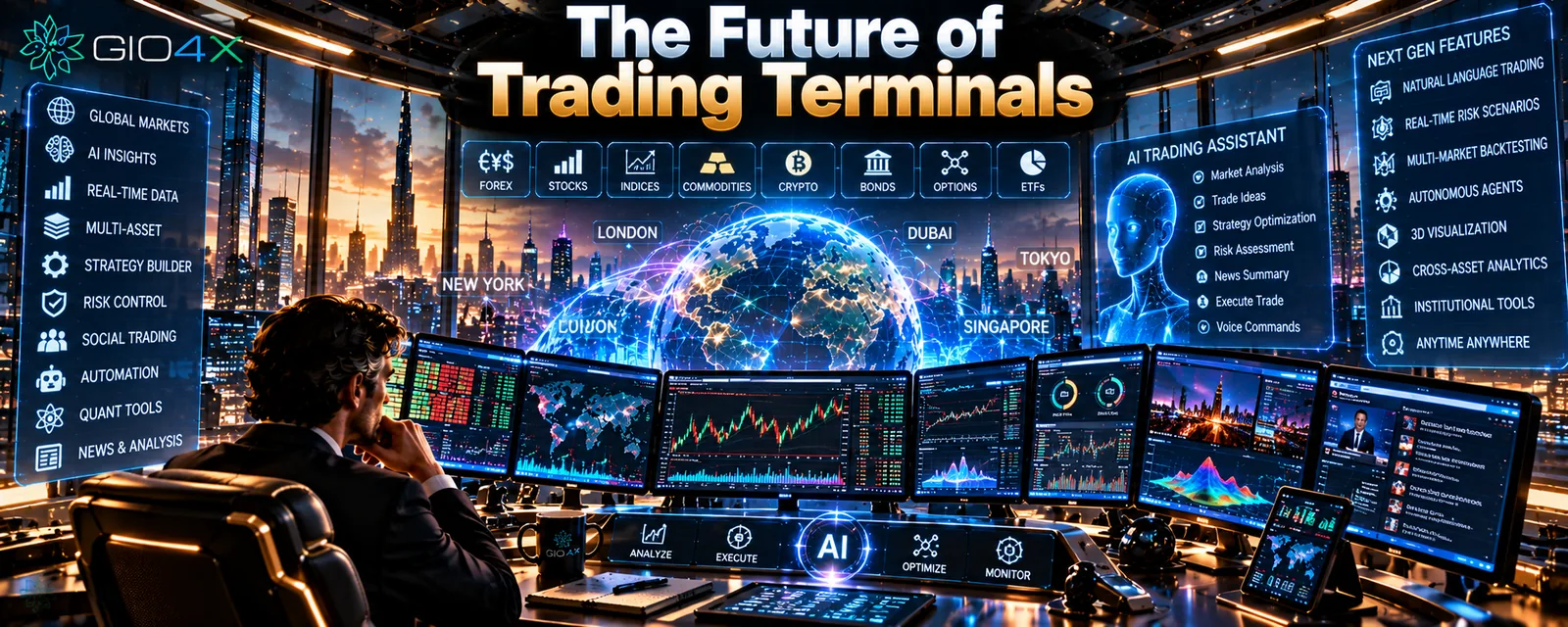 AnalysisEducationThe Future of Trading TerminalsThe next trading terminal will begin with a request, not a menu. Charts, order tickets and news feeds will remain, but software will assemble them around what the trader wants to do. The terminal is becoming an assistant you brief.@Abe4 min read
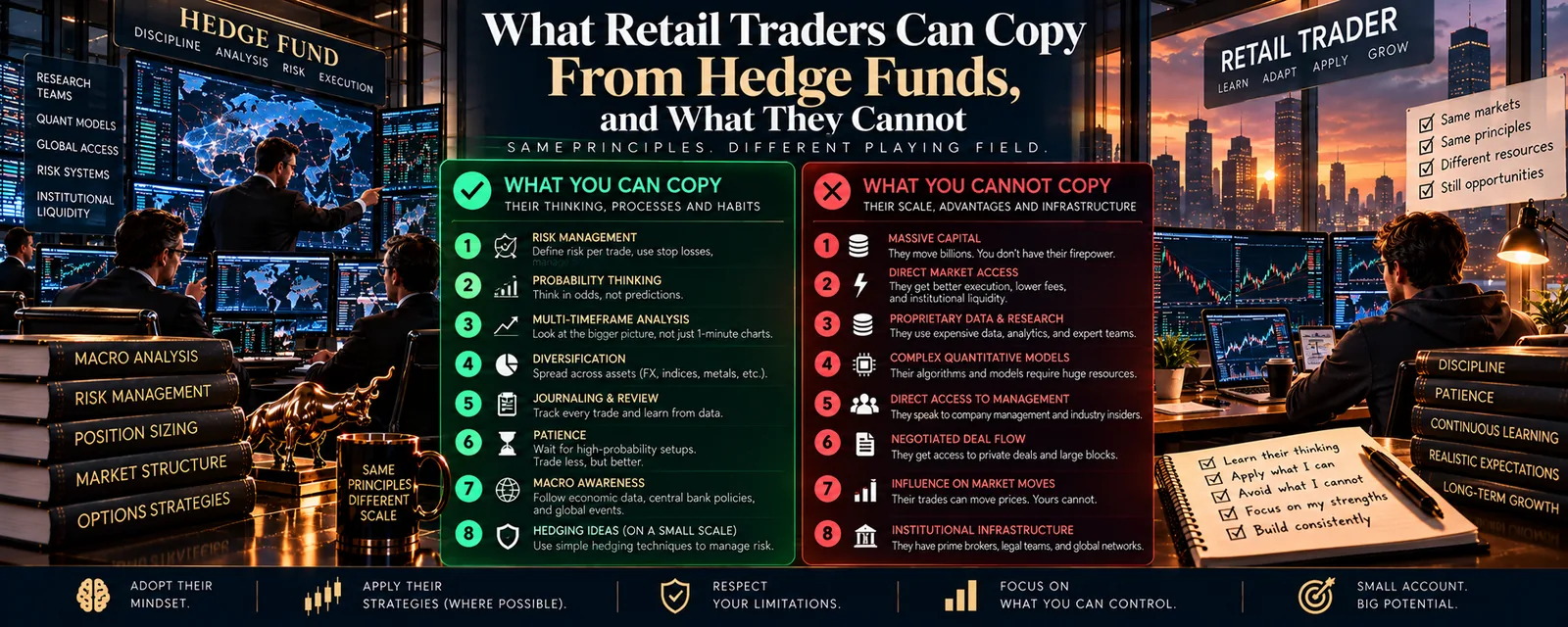 AnalysisEducationWhat Retail Traders Can Copy From Hedge Funds, and What They CannotHedge-fund discipline is more transferable than hedge-fund infrastructure. A retail trader can adopt written decisions, risk budgets and reviews while recognising the limits of access, financing, instruments and execution.@Abe6 min read
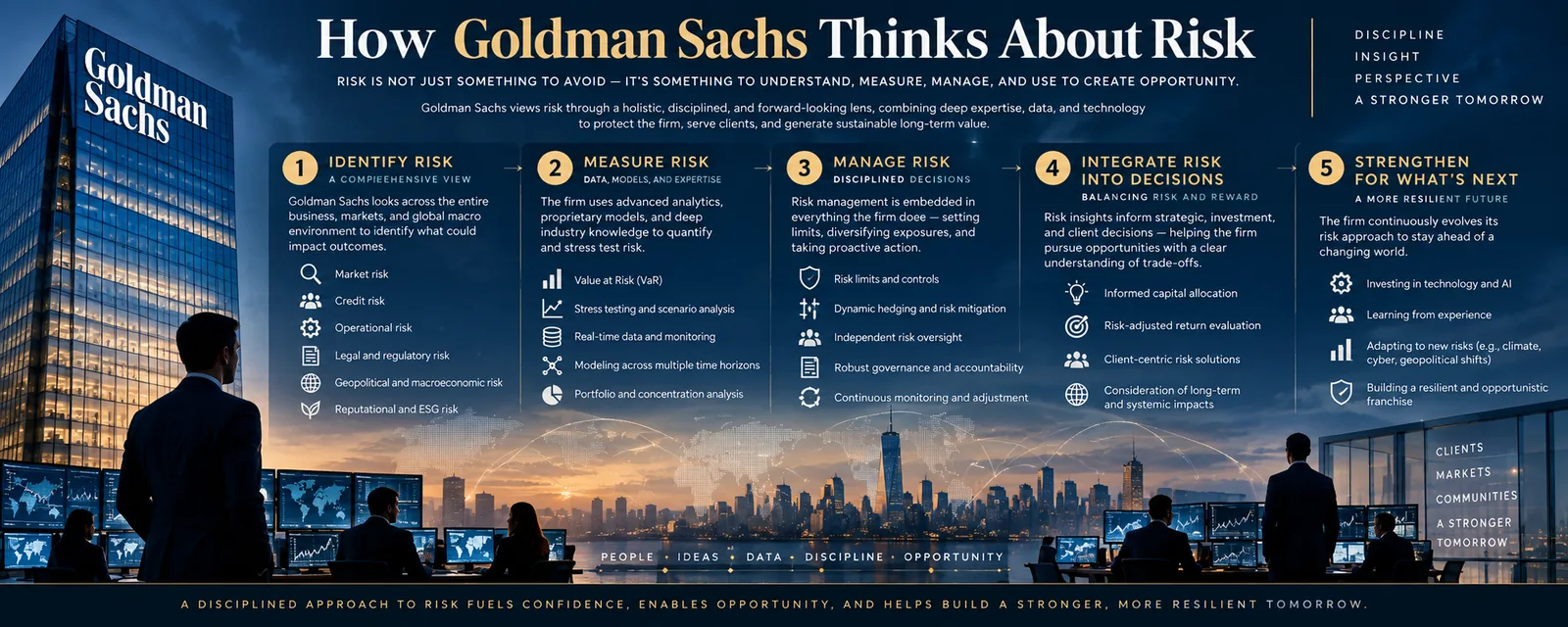 AnalysisEducationHow Goldman Sachs Thinks About RiskThe first question in institutional trading is how much can be lost, how quickly, and who will act. Goldman Sachs offers a useful lens on that discipline: risk is measured, challenged and escalated throughout the life of a position.@Abe5 min read